













On this page

Small factories lose money when weight data is unclear. Raw materials may be short. Parts may be missed. Packing mistakes may reach the customer.
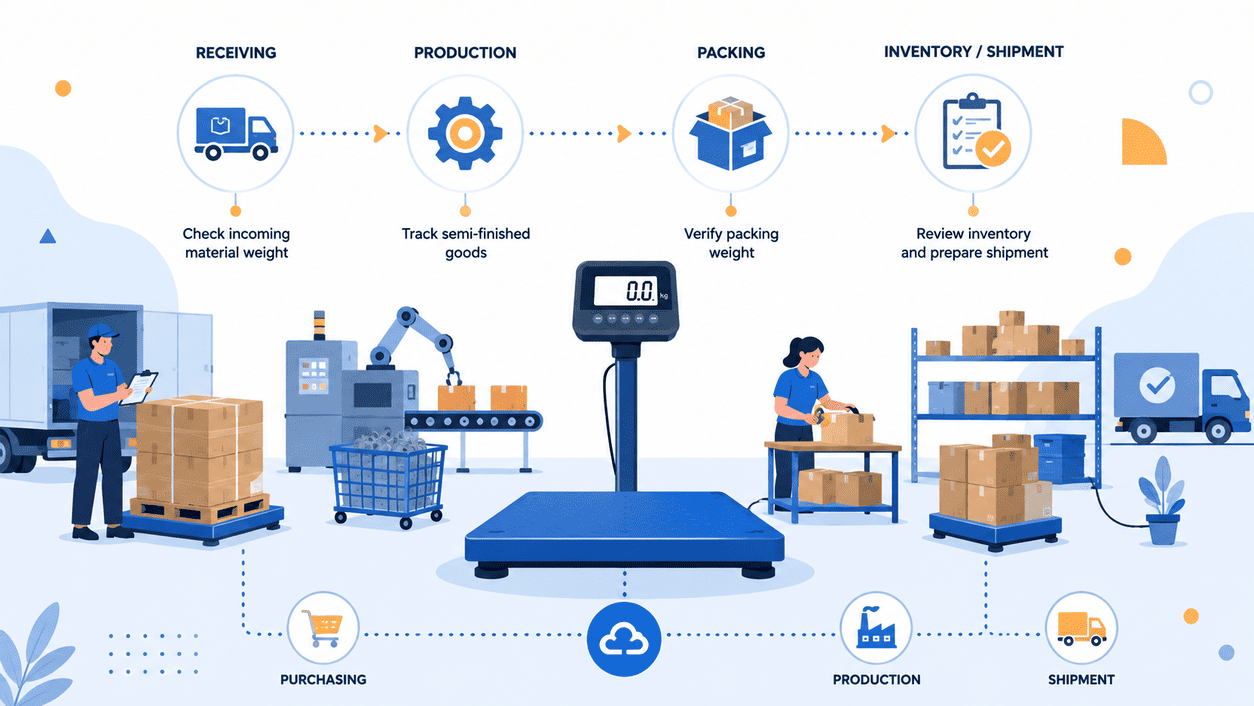
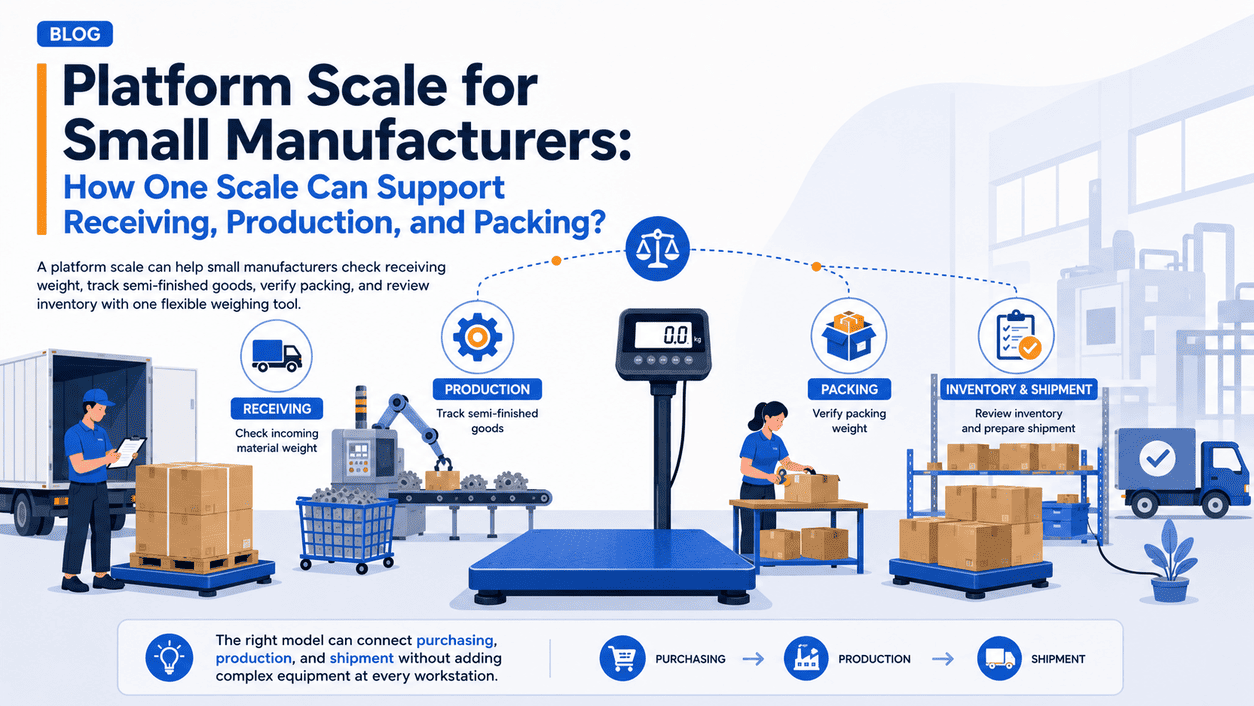
A platform scale can help small manufacturers check receiving weight, track semi-finished goods, verify packing, and review inventory with one flexible weighing tool. The right model can connect purchasing, production, and shipment without adding complex equipment at every workstation.

I have seen many small manufacturers face the same problem. They need better weighing control, but they do not have the budget or space for several different scales. One department wants to check incoming materials. Another department wants to record production weight. The packing team wants to avoid missing parts before shipment. These needs look separate at first. But in many cases, one well-chosen platform scale can support all of them. The key is not only the capacity. The key is choosing a scale that fits the real workflow on the factory floor.
Receiving Inspection: Verifying Raw Material Weight Before Storage?
Receiving mistakes often hide inside busy work. A supplier sends steel parts, plastic components, or cartons. The paperwork looks correct, but the actual weight may not match.
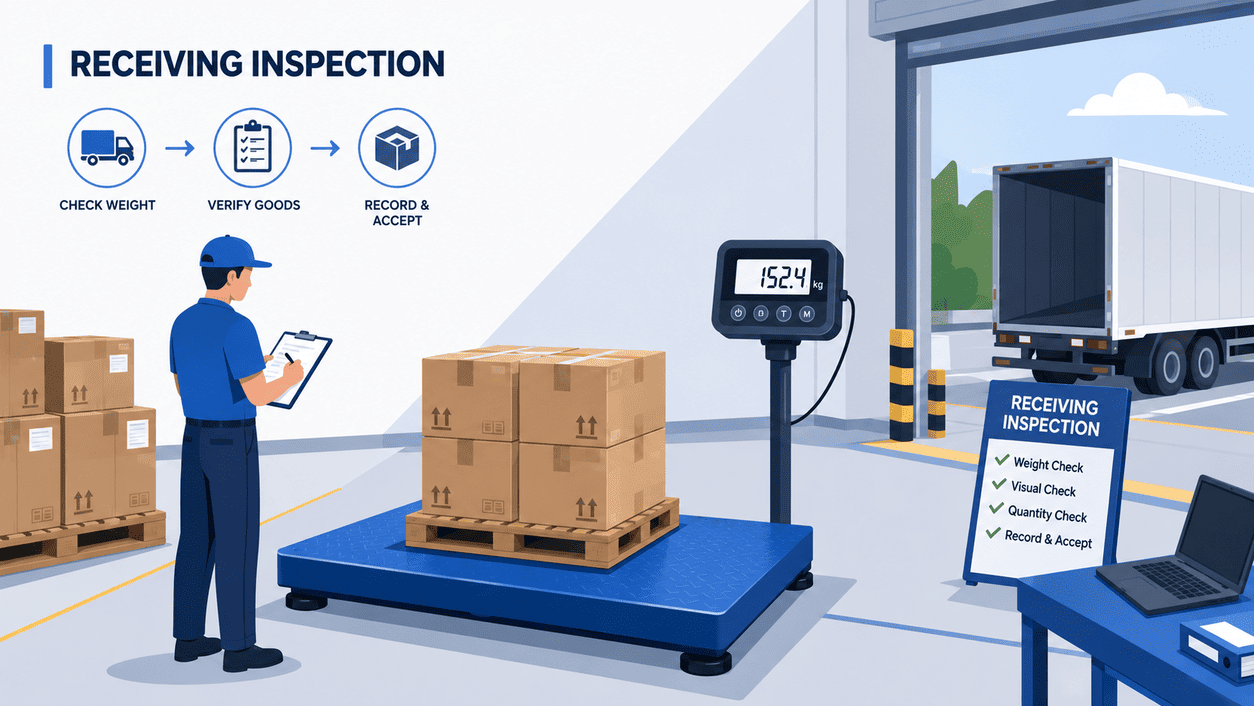
A platform scale helps small manufacturers verify raw material weight before storage. It gives the receiving team a simple way to compare delivered weight with purchase records, supplier documents, and internal inventory data.

When I work with small factories, I often start with the receiving area. This is where the first weight data enters the company. If the receiving weight is wrong, the mistake will move through the whole process. Purchasing may pay for material that was not received. Warehouse records may show more stock than the factory actually has. Production may stop later because the material count was based on a wrong number.
Why receiving weight matters?
Receiving inspection is not only about checking if goods arrived. It is also about protecting the factory from hidden cost. A platform scale can be placed near the warehouse entrance. Workers can put cartons, bins, or pallets on the platform and record the actual weight before storage.
| Receiving task | Common problem | How a platform scale helps |
|---|---|---|
| Raw material check | Supplier weight may be different from order weight | Confirms actual delivered weight |
| Warehouse entry | Manual records may contain errors | Gives measured data before storage |
| Supplier dispute | It is hard to prove shortage later | Creates weight evidence at receiving |
| Batch control | Different batches may be mixed | Helps separate and record each batch |
For example, a hardware processing factory may buy steel parts by weight. The supplier may provide a delivery note, but the factory still needs to confirm the real weight. A platform scale makes this check fast and practical. The worker can tare the empty container, weigh the full container, and record the net weight. This simple step can reduce disputes. It can also help purchasing compare suppliers over time.
I believe this is where a platform scale becomes more than a weighing device. It becomes the first checkpoint for factory data. It gives the owner and operations manager a clear starting point. The factory knows what came in, how much came in, and whether the incoming material matches the purchase order.
Production Control: Tracking Semi-Finished Goods Between Workstations?
Production errors grow when materials move without clear records. A batch may leave one workstation, but the next team may not know the true quantity.
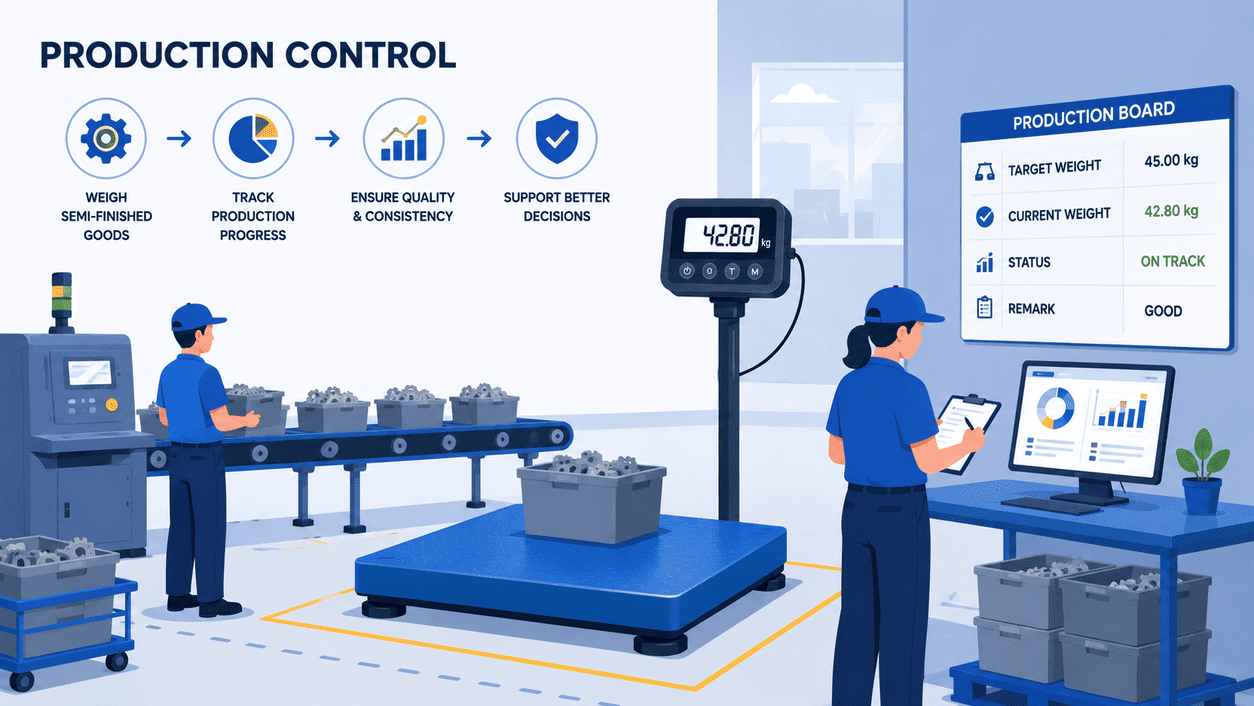
A platform scale helps track semi-finished goods between workstations. It allows workers to weigh each batch, record movement, compare input and output, and find possible loss during production.

In many small factories, production flow is simple but fast. Parts move from cutting to drilling, from assembly to surface treatment, or from one manual station to another. Workers may count pieces by hand. But hand counting takes time. It can also create mistakes, especially when the parts are small, oily, sharp, or packed inside bins.
How weight supports production flow?
A platform scale can support production control by giving each workstation a practical way to measure batch movement. The team does not always need to count every piece. They can use known unit weight or batch weight to estimate quantity. They can also compare the weight before and after a process.
| Production stage | Weight data needed | Practical benefit |
|---|---|---|
| Before processing | Batch starting weight | Confirms input quantity |
| After processing | Finished or semi-finished weight | Checks output quantity |
| Between stations | Transfer weight | Reduces missing batch risk |
| After trimming or cutting | Waste and loss weight | Supports loss analysis |
For example, a metal workshop may send one batch of steel brackets from punching to polishing. The team can weigh the batch before it leaves the first station. Then they can weigh it again when it reaches the next station. If the weight difference is too large, the manager can check whether parts were left behind, mixed with another order, or scrapped without record.
This process does not need a complex system at the beginning. A simple platform scale with stable readings, tare function, and easy operation can already improve control. Some factories may add printing or data output later. That is useful when the factory wants to connect weight data with batch labels or production records.
I like this approach because it fits the reality of small manufacturers. They do not need to build a fully automated factory in one step. They can start with one strong data point. Weight is often that data point. It is easy to understand. It is easy to compare. It is hard to fake when the scale is accurate and used correctly.
Packing Verification: Preventing Missing Parts Before Shipment?
Packing mistakes can damage trust fast. One missing part inside a box may lead to a complaint, a replacement shipment, or a lost customer.
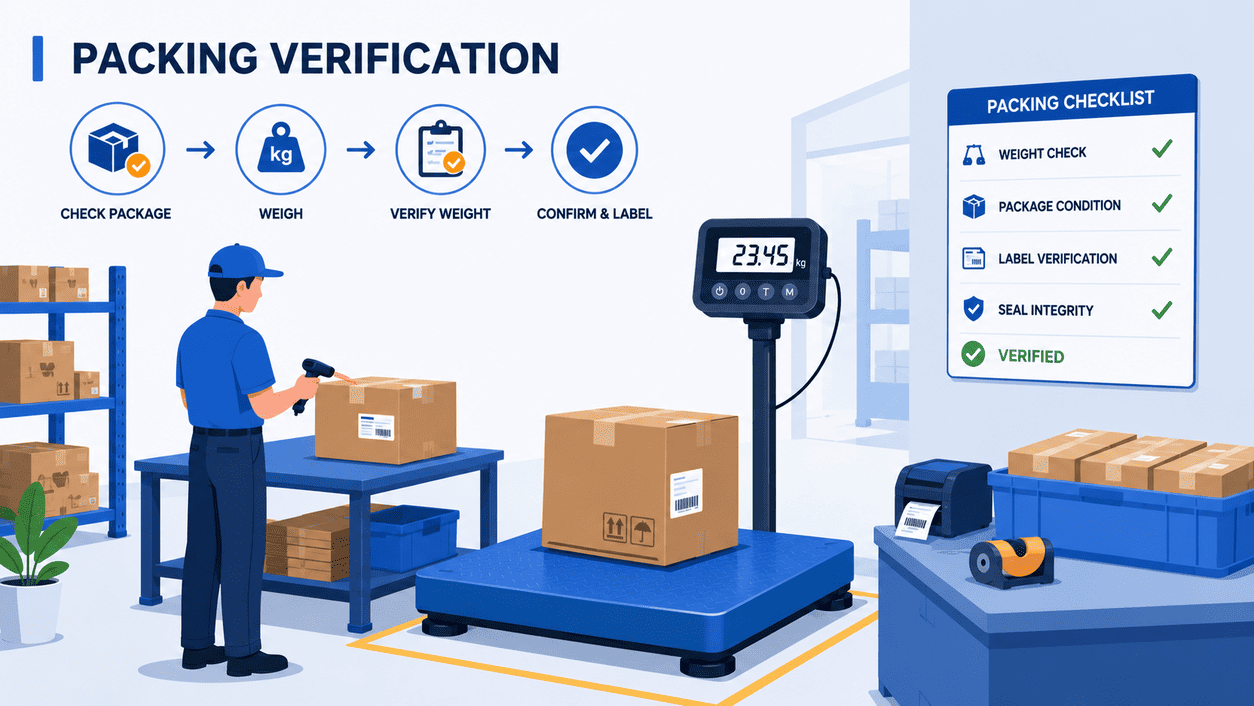
A platform scale can verify packed cartons before shipment. By comparing the actual carton weight with the standard weight, the packing team can quickly find missing parts, wrong quantities, or wrong accessories.

Packing is the last checkpoint before the product leaves the factory. This is why I pay close attention to this stage. A small mistake in packing may be more expensive than a small mistake during production. Once the goods leave the factory, the cost of fixing the problem becomes much higher. The factory may need to send replacement parts. The buyer may delay payment. The customer may start to doubt the factory’s quality control.
Why packing weight is a simple final check?
A platform scale can help the packing team check each carton or crate before shipment. The factory can set a standard gross weight for each packed product. The worker places the box on the scale. If the weight is within the allowed range, the package can move forward. If the weight is too low, the team checks for missing parts. If the weight is too high, the team checks for extra items or wrong products.
| Packing issue | Weight signal | Action |
|---|---|---|
| Missing accessory | Weight lower than standard | Open box and inspect |
| Missing product | Weight much lower than standard | Recount and repack |
| Extra item | Weight higher than standard | Check product mix |
| Wrong carton content | Weight does not match order | Compare with packing list |
This method is very useful for hardware kits, spare parts, plastic fittings, machined components, and boxed assemblies. These products often include several small parts. A worker may miss one bag of screws or one bracket during busy packing. A platform scale gives the team one more chance to catch the mistake before shipment.
For export orders, this step can be even more important. International buyers expect stable packing weight, clear labels, and reliable shipment records. If carton weights are very different, customs documents and freight records may also become harder to manage. A platform scale can help the factory keep the packing process more consistent.
I also think packing verification is one of the easiest ways to show the value of a platform scale. The result is visible. The team can stop a wrong carton before it leaves. The manager can reduce complaints. The customer receives the correct goods. A simple weight check can protect the factory’s reputation.
How to Choose Capacity, Platform Size and Indicator Functions for Multi-Use Scenarios?
A multi-use scale must fit many jobs. If the capacity is too small, it cannot weigh pallets. If the platform is too small, boxes become unstable.
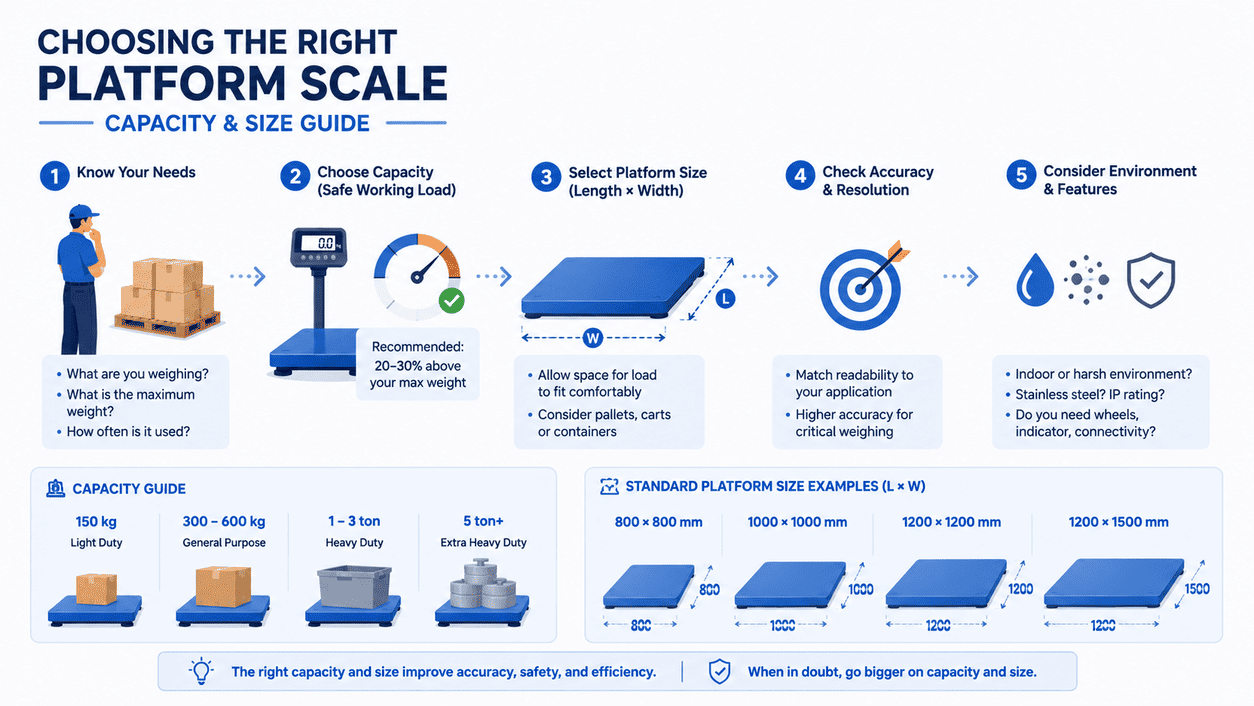
To choose a platform scale for multi-use scenarios, small manufacturers should check capacity, platform size, accuracy, indicator functions, mobility, power supply, and data output. The best choice matches the heaviest load and the most frequent daily task.

A platform scale is not only a “middle-size weighing device.” For a small factory, it can become a shared tool between purchasing, production, warehouse, and packing. This means selection must be practical. The buyer should not only ask, “What is the maximum capacity?” The buyer should ask, “Where will the scale be used, what will be placed on it, and who will operate it every day?”
What should I check before buying?
The first point is capacity. A scale used only for cartons may need a lower capacity. A scale used for pallets or large bins may need a higher capacity. But bigger is not always better. If the capacity is too high, the readability may not be suitable for small parts. A factory should choose a capacity that covers the heaviest common load while still giving useful precision for daily checks.
The second point is platform size. The platform should support the real container used in the factory. If the factory uses turnover boxes, crates, or cartons, the platform must be large enough to hold them safely. If the load hangs over the edge, the reading may be unstable, and the operation may be unsafe.
| Selection factor | What to ask | Why it matters |
|---|---|---|
| Capacity | What is the heaviest item or loaded bin? | Prevents overload and damage |
| Platform size | Will cartons, crates, or pallets fit well? | Improves safety and reading stability |
| Readability | Do I need fine weight differences? | Helps detect missing parts |
| Tare function | Do I often weigh goods inside containers? | Gives net weight quickly |
| Indicator display | Can workers read it clearly? | Reduces operation mistakes |
| Printing | Do I need paper labels or records? | Supports shipment and traceability |
| Data output | Do I need to connect to a computer or system? | Supports digital records |
| Mobility | Will the scale move between areas? | Makes one scale serve more jobs |
Indicator functions are also important. The tare function is basic, but it is very useful. Workers often weigh goods inside bins, cartons, or trays. Tare lets them remove the container weight and focus on the net product weight. A clear display matters too. In a busy factory, workers need to read values quickly. Some users also need checkweighing alarms, counting functions, accumulation, printing, or RS232 data output.
Mobility can be a major point for small manufacturers. If the scale will move between receiving, production, and packing areas, the structure must be strong, and the scale should be easy to move. Some factories may need a ramp. Some may need wheels. Some may need a rechargeable battery because the scale is not always near a power outlet.
This is where HENER SCALE can support the buyer with practical configuration. I do not see a platform scale as a fixed product only. I see it as a weighing solution that should match the workflow. A small manufacturer may start with a standard platform scale. Then the factory may add an indicator with printing, a data port, a stainless platform, or a larger platform size. The goal is not to buy the most expensive model. The goal is to buy the scale that can work every day without slowing people down.
Conclusion
One well-chosen platform scale can help small manufacturers control receiving, production, packing, and inventory with simple, reliable weight data.