













On this page

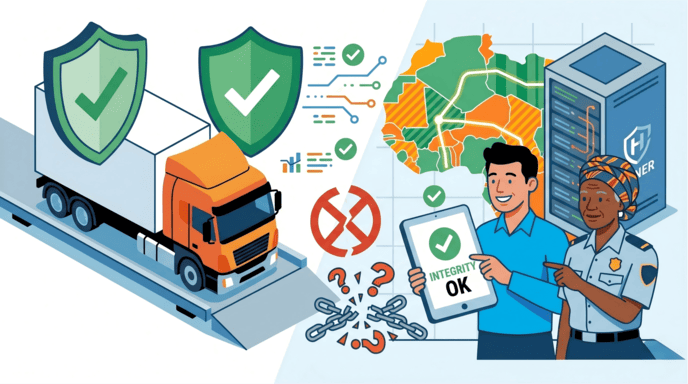
Are you losing tons of product to weighbridge fraud? Analog systems are easy to cheat, draining your profits. Encrypted digital load cells shut down these thieves for good.
Encrypted digital load cells prevent weighbridge fraud by replacing vulnerable analog millivolt signals with secure, cryptographic digital data. This stops thieves from using remote controls or RF decoders to alter truck weights. Any tampering attempt instantly triggers an alarm, fully protecting your inventory and bottom line.

I see this problem too often. Let me show you how these criminals operate and how we can stop them right now before you lose another dollar.
The Vulnerability of Millivolts: How Are Analog Load Cell Cables Hijacked by RF Decoders?
Thieves target the weak link in your scale. Analog cables use simple voltages. Fraudsters splice cheap RF decoders into the line to steal your goods.
Analog load cells send weight data as tiny, continuous voltage changes called millivolts. These signals are completely unencrypted. Criminals cut the cable, install a pocket-sized radio-frequency decoder, and use a remote control to precisely drop the voltage and fake the truck's registered weight.
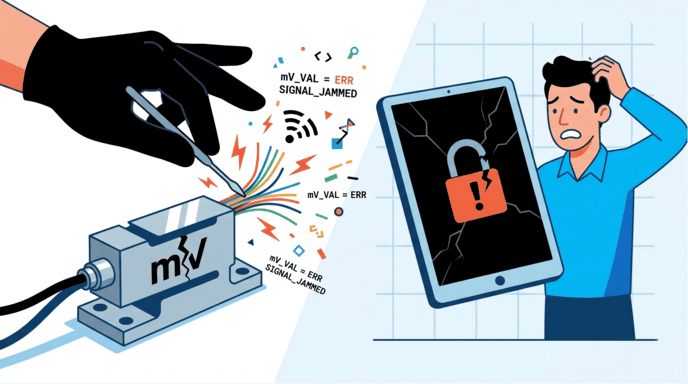
I exposed this exact crime a few years ago. I was consulting for a major scrap metal recycling facility in Johannesburg. The owner suspected massive internal theft. His export tonnage was constantly short. However, his printed weighbridge tickets looked perfectly normal. I told his maintenance crew to physically trace the main cable. We went from the analog junction box back to the weigh house. Buried inside a PVC pipe, we found a tiny, spliced-in receiver. It was no bigger than a matchbox. Every time a specific fleet arrived, the driver clicked a hidden remote in his cab. This dropped the millivolt signal. It under-reported the inbound scrap by exactly two tons.
Why Thieves Love Analog Systems
Analog signals are fundamentally dumb. They do not protect the data. Here is a clear breakdown of how the theft happens:
| Step | Action by Fraudster | Result on Scale System |
|---|---|---|
| 1 | Cut the main junction cable | Exposes the raw copper wires |
| 2 | Attach an RF decoder | Connects to the voltage signal |
| 3 | Push the remote button | Lowers the millivolt output |
| 4 | Print the scale ticket | Shows a falsely low weight |
The owner was losing money right under his own nose. CCTV cameras could not see the hidden remote. You cannot fix this with better cameras. You must fix the data signal itself.
The Invisible Bleed: What Is the Devastating Financial Cost of Phantom Tare Weights?
Small weight changes seem harmless but destroy your profits. Cheating two tons per truck adds up fast. You are paying for ghost inventory that ruins your business.
Phantom tare weights occur when manipulated scale signals record lower inbound weights or higher outbound weights. This invisible bleed means you pay for material you never receive. Over weeks and months, these small, hidden thefts accumulate into massive financial losses that conventional audits cannot detect.
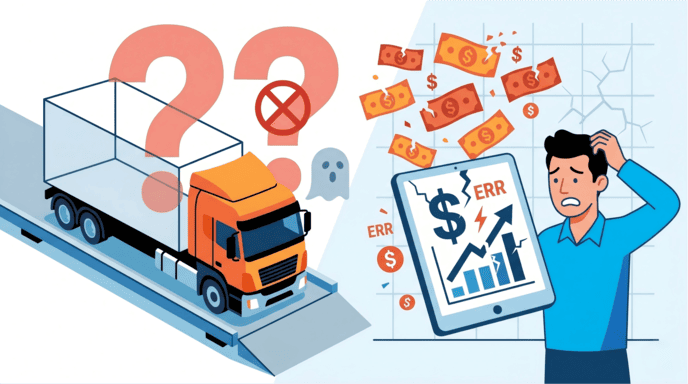
Financial managers often miss scale fraud. They look at spreadsheets and paperwork. The numbers on the tickets match the invoices. But the tickets are lies. The physical material is gone. When the Johannesburg recycling owner looked at his books, everything seemed correct. The system recorded a clean inbound weight. The system recorded a clean outbound weight. The scale balanced perfectly on paper. But he lost thousands of dollars every week.
The Hidden Cost of Stolen Tonnage
To help you understand the damage, let us look at the math. A few tons might not look like a disaster at first glance. But look at the total loss over time.
| Trucks Per Day | Stolen Weight Per Truck | Loss Per Day | Loss Per Month (20 Days) |
|---|---|---|---|
| 5 | 2 Tons | 10 Tons | 200 Tons |
| 15 | 2 Tons | 30 Tons | 600 Tons |
| 30 | 2 Tons | 60 Tons | 1,200 Tons |
If your product costs 500 dollars per ton, a 200-ton loss means you lose 100,000 dollars a month. That is cash stolen directly from your pocket. The fraud is silent. The thieves do not break fences. They steal with a simple push of a button. You need a system that fights back.
Trusting your raw cables is a bad idea. Hackers bypass them easily. Secure digital protocols lock down your data so no one can steal your money.
Digital protocols like RS485 block interception by transforming weight data into secure, encrypted digital strings at the load cell. Unlike simple voltages, these cryptographic signals cannot be altered by RF decoders. Any tampering disrupts the digital communication, instantly causing the scale indicator to drop the connection and trigger an alarm.
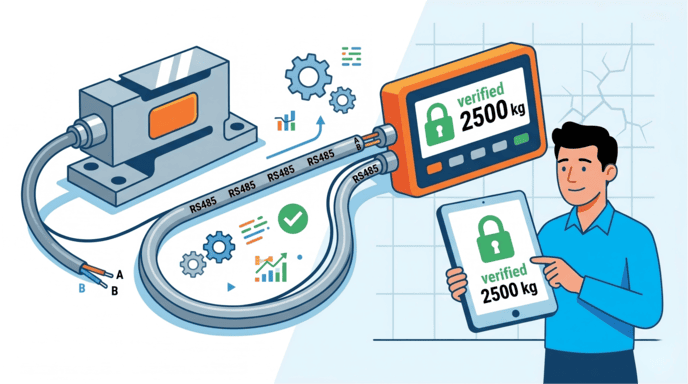
The only definitive way to kill this vulnerability is at the data layer. You cannot just cover cables in thicker steel. Thieves will always find a way to cut them. You must change the language the scale speaks. When you upgrade to digital load cells, you completely eliminate the possibility of signal interception.
How Cryptographic Data Stops Thieves
Our digital sensors do not send fragile voltages. They process the weight right at the sensor. Then they transmit a securely compiled, cryptographic digital string1 directly to the indicator. It uses an RS485 communication protocol2.
| Feature | Analog Load Cell | Digital RS485 Load Cell |
|---|---|---|
| Signal Type | Millivolts (Voltage) | Encrypted Digital Strings |
| Data Protection | None | Cryptographic Encryption |
| Tamper Effect | Fakes the weight easily | Drops connection instantly |
| Alarm System | Silent | Triggers error alert |
An unauthorized remote control cannot understand or mimic this complex code. If a fraudster tries to splice his decoder into a digital cable, the system does not register a fake weight. Instead, the scale sees corrupted data. It instantly stops working and flags an error. The thief is caught immediately.
Sealing the Loophole: How Can You Secure Your Bottom Line with HENER’s Anti-Fraud Technology?
Constant worry about theft drains your energy. Leaving old systems in place invites more crime. HENER’s anti-fraud technology stops the bleeding and secures your profits forever.
You secure your bottom line by upgrading to HENER encrypted digital load cells. Our advanced anti-fraud technology ensures absolute data integrity from the scale core directly to your indicator. This completely blocks remote control cheating, giving you peace of mind and perfectly accurate weighing for every single transaction.
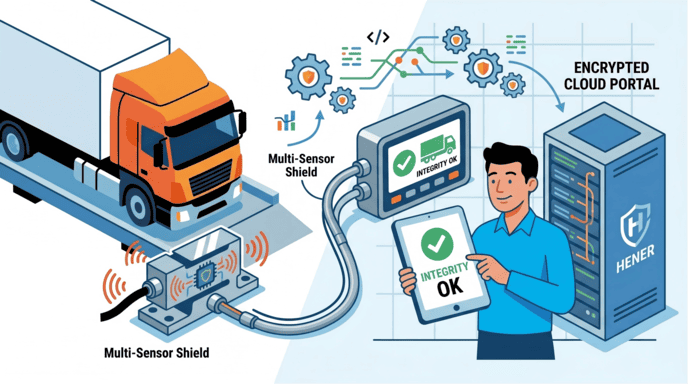
As an absolute focus at HENER SCALE, we want to help businesses from all industries operate smarter and more securely. Upgrading to our encrypted digital protocol is not just about getting higher precision on your tickets. It is about absolutely bulletproofing your revenue against modern weighbridge cheating. You work hard to build your business. Do not let organized fraudsters rob you with cheap electronics.
The HENER Digital Upgrade Advantage
Making the switch to our technology is the smartest investment you can make for your facility. We design our systems to be robust and tamper-proof.
| Value to Your Business | Result of HENER Technology |
|---|---|
| Revenue Protection | Stops phantom tare theft entirely |
| Operational Control | Triggers alarms on any tampering |
| Regulatory Compliance | Ensures accurate, legal transaction records |
| Peace of Mind | Removes the stress of internal fraud |
I started my career working hands-on with these heavy scales. I know where the weak points are. I built HENER SCALE to fix those exact weaknesses. When you install our digital load cells, you close the loophole. You take back control of your yard. You ensure that every pound of product pays you exactly what it should.
Conclusion
Weighbridge fraud drains your profits through vulnerable analog signals. By upgrading to HENER's encrypted digital load cells, you permanently block remote decoders, secure your data, and protect your hard-earned revenue.