













On this page

Long truck queues at the weighbridge cost money every day. Drivers wait, fuel burns, suppliers complain.1 Many managers think they need a second scale. They often don't.
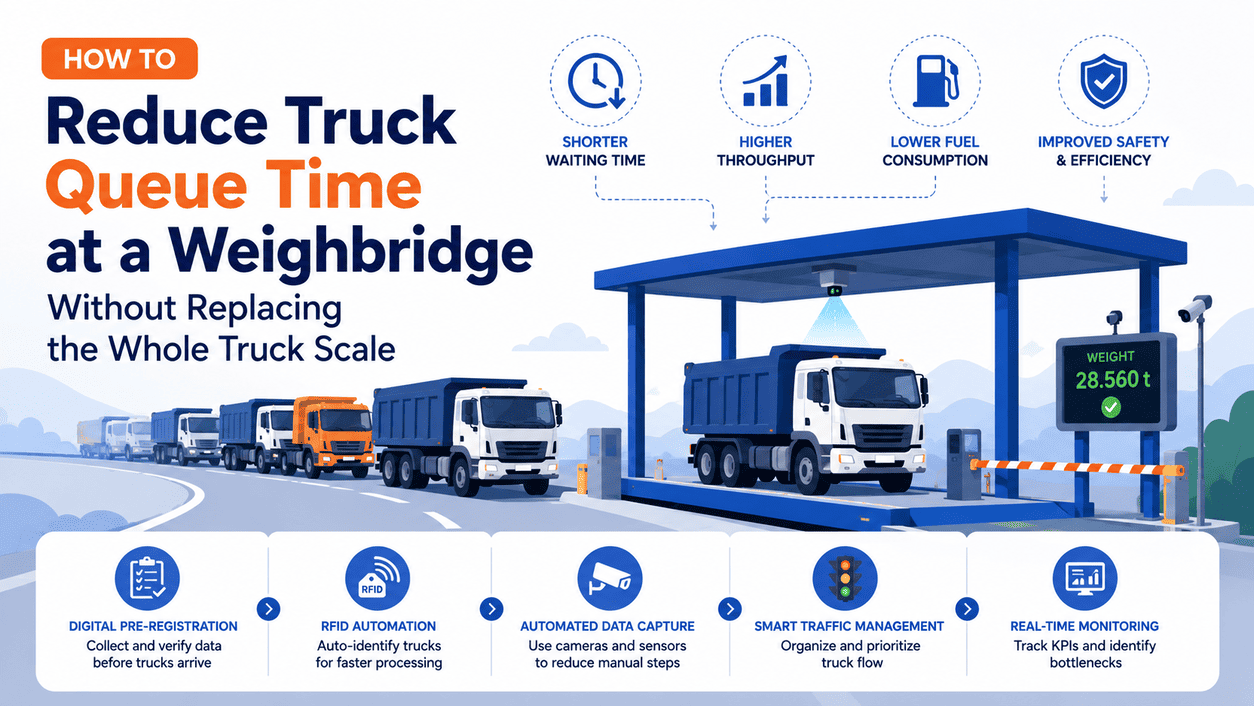
You can cut truck queue time at a weighbridge by fixing workflow, not hardware. Pre-register vehicles and materials, separate inbound and outbound lanes, and upgrade your indicator, software, or printer. These small changes often reduce wait time by 40% to 60% without buying a new truck scale.
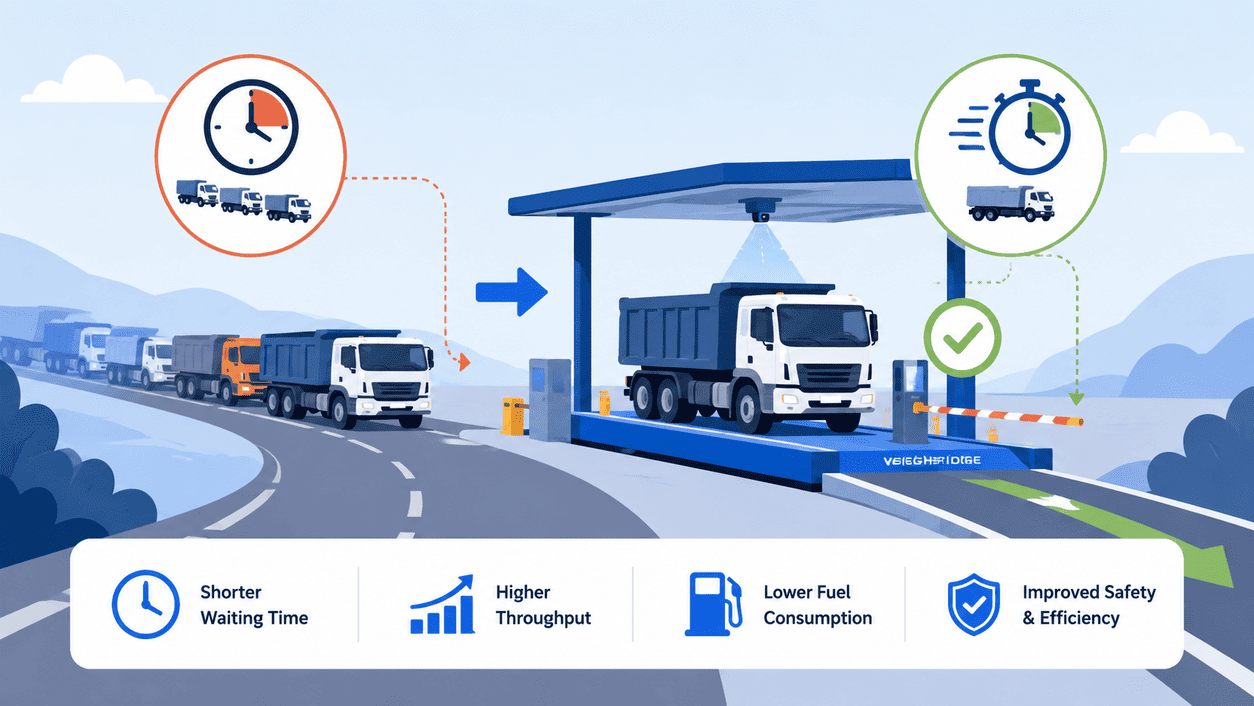
I have seen this problem at sand plants, grain stations, and ports. The scale itself is fine. The bottleneck sits somewhere else. Let me walk you through where the real delays hide and how to fix them step by step.
Why Are Long Truck Queues Often a Workflow Problem, Not a Scale Capacity Problem?
Most managers blame the scale when trucks pile up. But the load cell only takes seconds to read a weight. The real wait happens before and after.
The actual weighing step takes 30 to 60 seconds. The full transaction often takes 3 to 5 minutes.2 That extra time goes to data entry, ticket printing, driver questions, and gate confirmation. The scale is rarely the slow part.
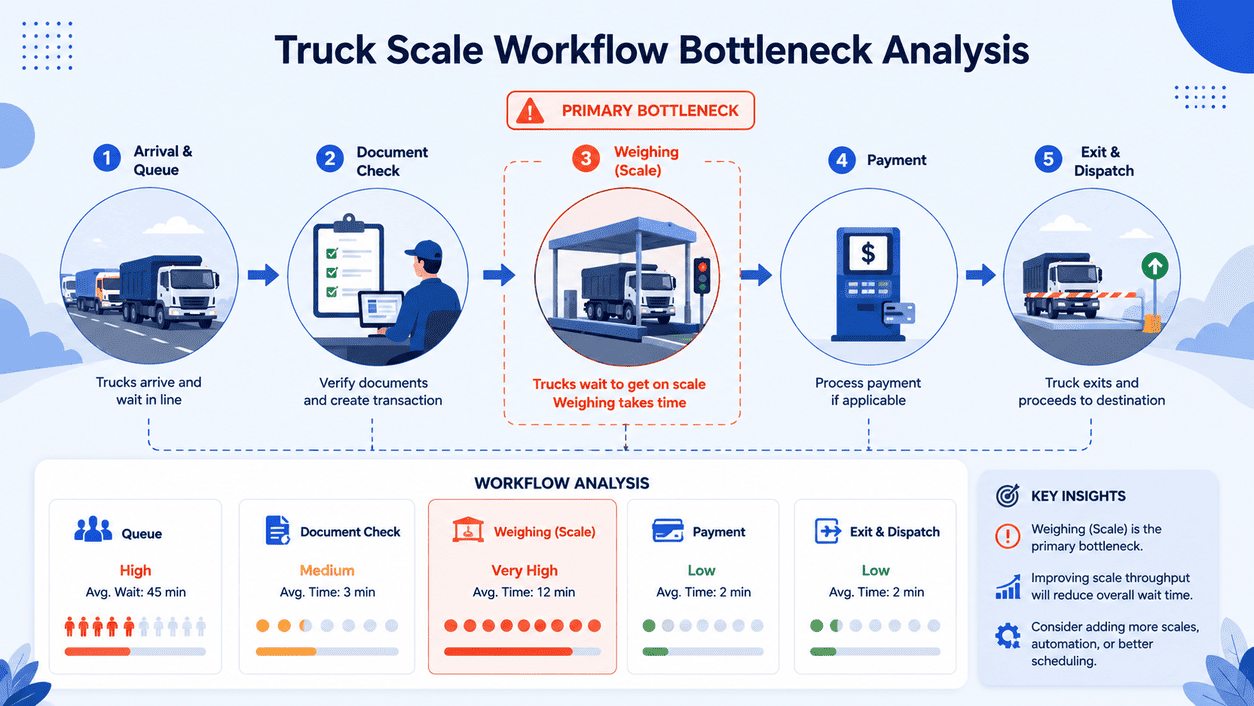
I once visited a sand plant near Guadalajara that handled 180 trucks a day. The owner wanted to buy a second truck scale. We timed the process together. The scale read each truck in about 40 seconds. But the driver spent 3 minutes at the window giving his plate number, material code, and supplier name. Then the operator typed it all by hand and printed the ticket.
Where the Time Actually Goes
| Step | Average Time | Is It the Scale? |
|---|---|---|
| Driver gives info at window | 60-120 sec | No |
| Operator types data | 45-90 sec | No |
| Actual weighing | 30-60 sec | Yes |
| Print and hand over ticket | 30-60 sec | No |
| Gate barrier confirmation | 20-40 sec | No |
So the scale is only about 20% of the total time. Fixing the other 80% is cheaper and faster than buying new hardware.
How Do Pre-Registration, Vehicle ID, Material Code and Supplier Data Save Minutes?
Drivers waste minutes at the window every visit. They repeat the same plate number, the same supplier, the same material. This is pure waste.
Pre-registration stores vehicle, material, and supplier data in the system before the truck arrives. With RFID cards or license plate recognition, the truck is identified in seconds.3 The operator only confirms the data. This alone can cut transaction time by half.
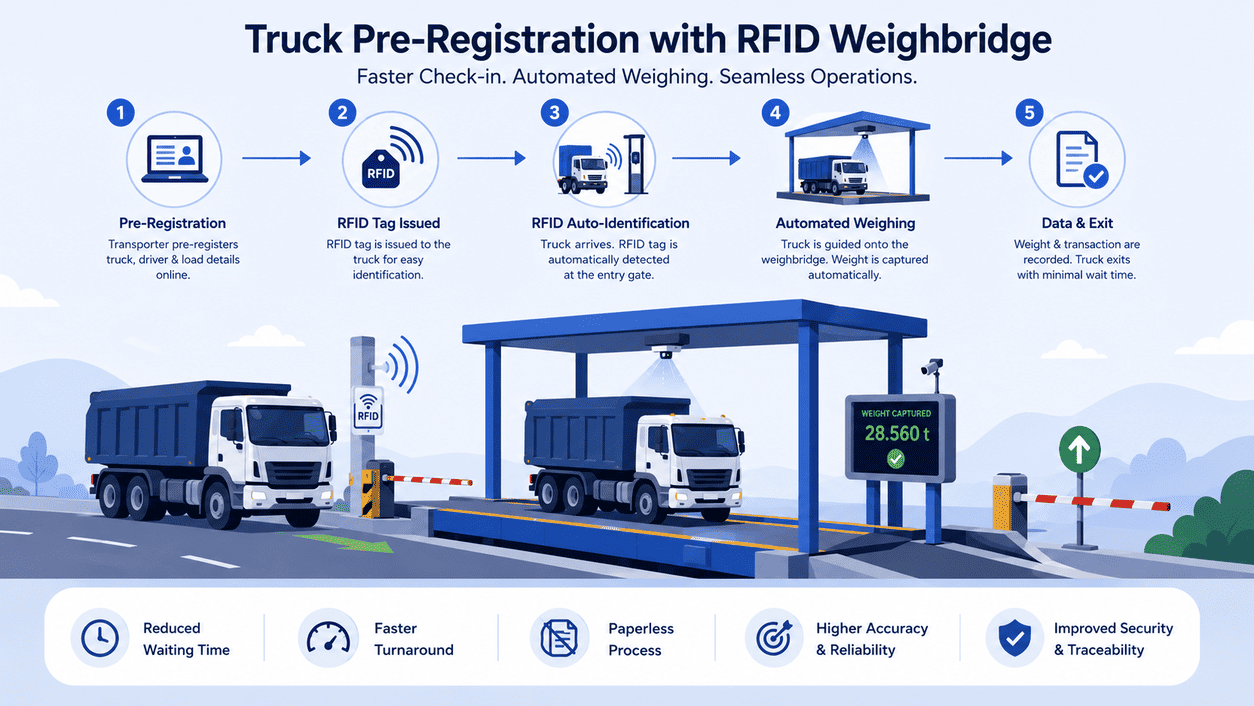
In my own work, I tell clients to start small. You don't need a full ERP link on day one. Begin with a database of regular trucks, drivers, and materials. Most weighbridges see the same 80% of trucks every week.
What to Pre-Register
- Vehicle data: plate number, tare weight, axle count, RFID tag ID
- Driver data: name, phone, ID number
- Supplier and customer data: company name, contract number, account
- Material data: product code, density, quality grade
Tools That Help
| Tool | What It Does | Time Saved |
|---|---|---|
| RFID card reader | Reads truck ID from 2-5 meters | 60-90 sec |
| License plate camera | Auto-reads plate, no card needed | 60-90 sec |
| Mobile app for drivers | Driver pre-fills load info | 30-60 sec |
| ERP integration | Pulls supplier and contract data | 30-60 sec |
When my client added RFID and a simple vehicle database, the window step dropped from 3 minutes to 40 seconds. No new scale needed.
Why Does Separating Inbound and Outbound Traffic Have Such a Big Impact?
Many yards run all trucks through one lane. Empty trucks, full trucks, suppliers, and customers all mix together. This causes blockages even when the scale is fast.
Separating inbound and outbound traffic means full trucks weigh on one path and empty trucks weigh on another. With clear lanes, traffic lights, and barriers, you remove cross-traffic and waiting. Even simple paint and signs can boost throughput by 30%.
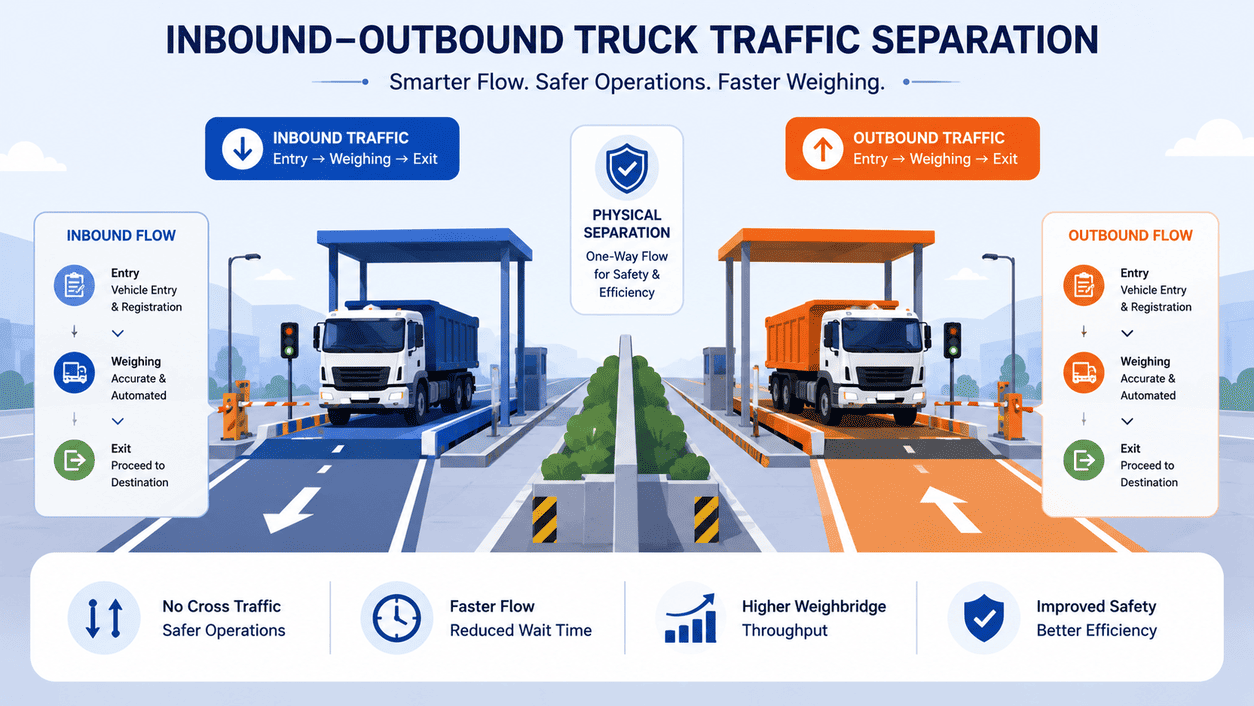
I worked with a grain station that had only one truck scale. They could not afford a second one. But by changing the yard layout, they doubled their daily throughput.
Small Layout Changes That Work
- One-way loops: trucks enter from one side, exit from another, no reversing
- Separate queue zones: inbound queue and outbound queue do not mix
- Traffic lights: simple red and green tell drivers when to move
- Barrier gates: stop the next truck until the current one finishes
- Cameras at entry and exit: confirm plate and direction automatically
Layout Comparison
| Layout Type | Trucks per Hour | Driver Confusion |
|---|---|---|
| Single mixed lane | 15-20 | High |
| Separated in/out lanes | 25-35 | Low |
| Full one-way loop with gates | 40-50 | Very low |
A few thousand dollars in barriers, lights, and cameras often beats a full new weighbridge that costs ten times more.
When Should You Upgrade Indicators, Software or Printers Instead of Replacing the Scale?
The scale platform and load cells last 15 to 20 years.4 The electronics and software age much faster. An old indicator with a slow printer can hold back a perfectly good scale.
Upgrade the indicator, software, or printer when your scale platform is still accurate but transactions take too long. Modern indicators print tickets in seconds, support RFID, and link to ERP. This costs 10% to 20% of a new truck scale and solves most speed problems.
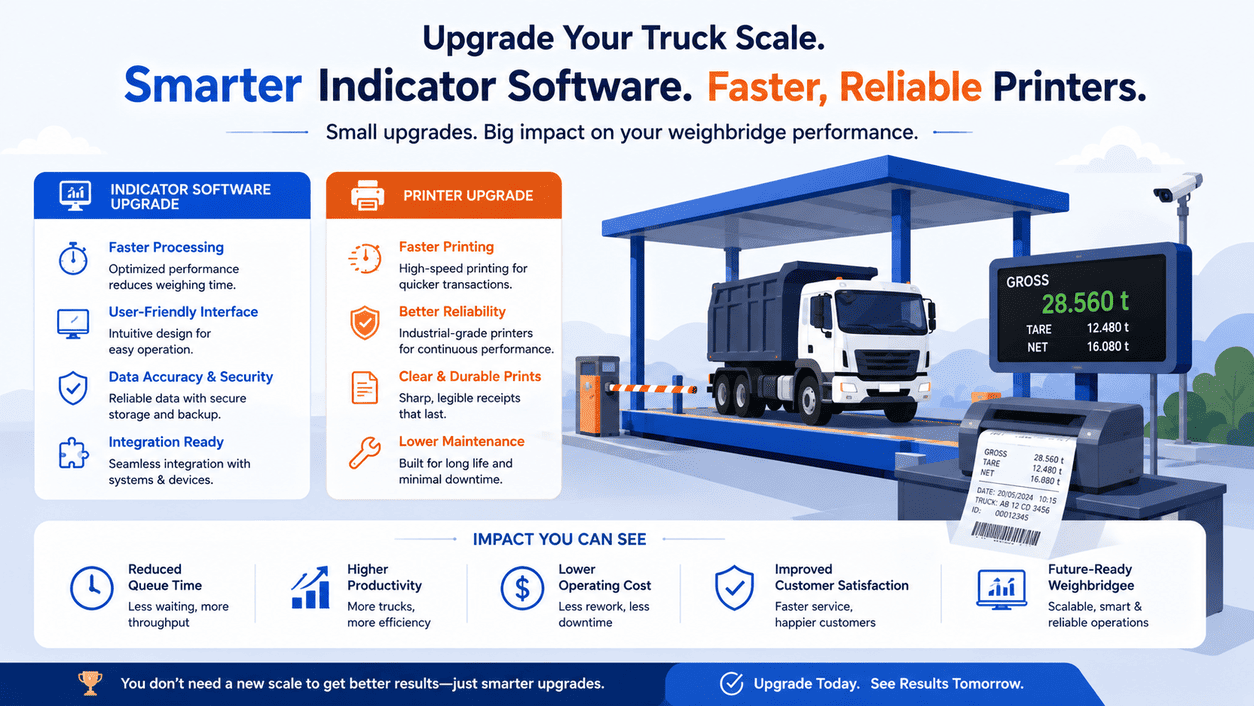
At HENER SCALE, I often tell clients to keep the steel and concrete and replace the brain. A good digital indicator with modern software changes everything.
What to Upgrade and Why
| Component | Old System Problem | Modern Solution |
|---|---|---|
| Indicator | Slow, no network | Touchscreen, Ethernet, cloud-ready |
| Software | Manual entry only | RFID, plate recognition, ERP link |
| Printer | Dot matrix, 30+ sec | Thermal, 2-3 sec per ticket |
| Camera | None | Records every transaction for audit |
When You Actually Need a New Scale
You do need a new truck scale if:
- The load cells drift or fail often
- The platform shows cracks or rust damage
- Your trucks now exceed the capacity rating
- You need a second scale only after fixing workflow first
I always recommend the workflow audit before any hardware quote. Most clients save 60% of their planned budget this way.
Conclusion
Long truck queues are usually a workflow problem, not a scale problem. Fix the data, lanes, and electronics first. Buy new hardware last.