
You work far from the city, and power cuts stop your business constantly. Diesel is expensive, generators break, and your weighing operations pause while you lose money.
To weigh trucks without grid power, use a solar energy system designed for 24/7 operation. Choose low-power indicators and printers to save energy. Store data locally on USB drives if the internet fails. Finally, select portable scales for temporary sites to get started immediately.
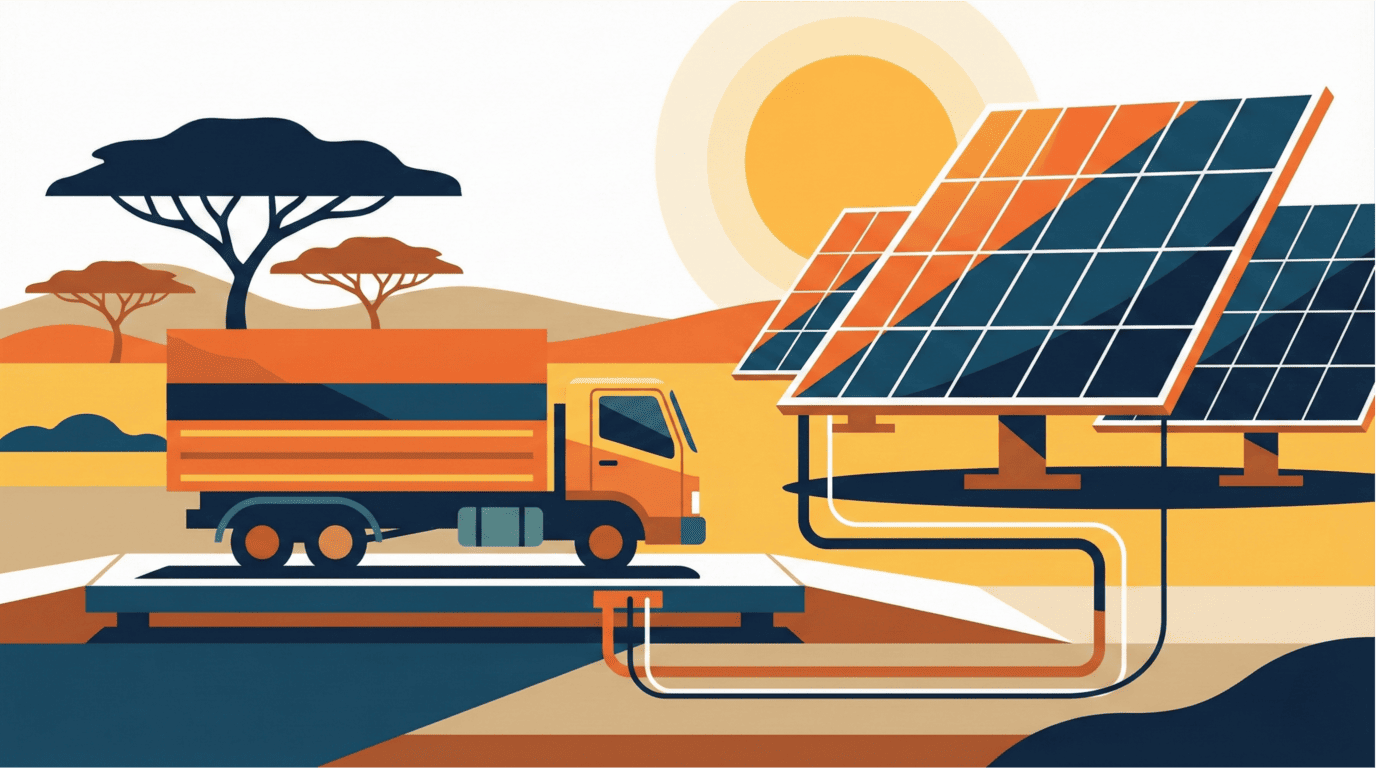
Many people think solar power is too weak for industrial work. But that is wrong. Let me explain the right way to do it.
How Do We Design a Solar Power System Capable of Running 24/7 Operations?
Your equipment stops working when the sun goes down or when it rains. This downtime destroys your schedule and makes your remote project inefficient.
A reliable solar system needs more than just panels. You must calculate the total power load and use industrial-grade deep-cycle batteries. This ensures the system stores enough energy during the day to power the weighbridge through the night and during cloudy weather.
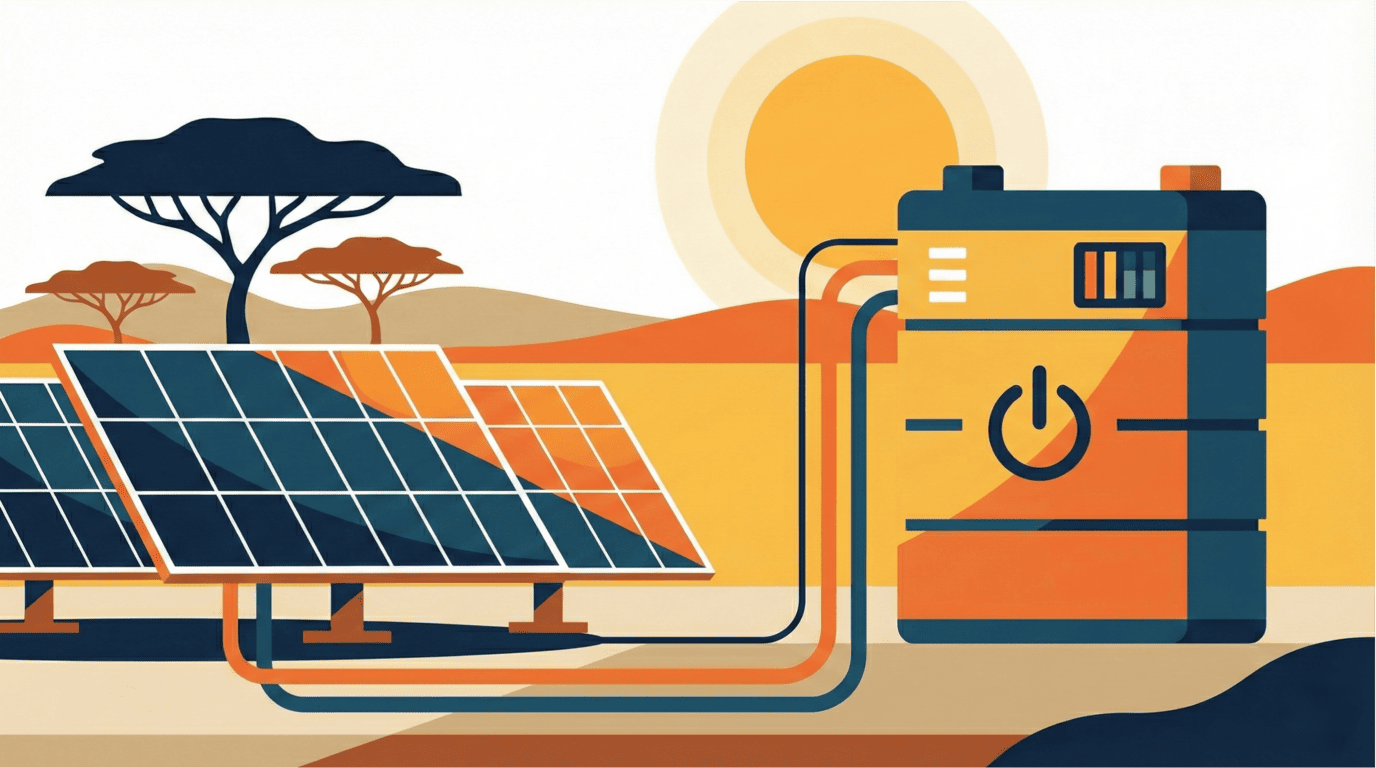
In my experience offering solutions in Africa, I see one big mistake. People buy a solar kit from a shop and expect it to run a heavy-duty industrial scale. It works for a few hours, and then it dies. To run a weighbridge 24 hours a day, you must design for the worst conditions, not the best ones. You are not just powering a light bulb. You are powering the load cells, the digital indicator, the printer, and maybe a computer.
First, we calculate the total energy the system needs. Then, we look at the location. In places with heavy rain seasons, like parts of Nigeria or Ghana, you might go days without strong sun. This is where the battery bank is important. We use deep-cycle Gel or Lithium batteries. These batteries can release power for a long time without damage. I always advise my clients to double the battery capacity they think they need. This provides a safety buffer. It guarantees that even if it rains for two days, your truck scale will still print tickets. This is real energy independence.
Solar System Components
| Component | Function | Important Feature |
|---|---|---|
| Solar Panel | Collects energy from the sun. | Must be oversized for cloudy days. |
| Charge Controller | Manages power flow. | MPPT type is more efficient. |
| Battery Bank | Stores energy for night use. | Deep-cycle capability is essential. |
| Inverter | Changes DC to AC power. | Pure Sine Wave cleans the power. |
Why Does Selecting Energy-Efficient Indicators and Printers Matter?
You buy a big battery, but it drains too fast. You are confused because the solar panels look big enough, but the system still fails.
Standard weighing electronics waste energy on heat and bright displays. Energy-efficient indicators use sleep modes and low-power LED screens to reduce consumption. Selecting the right printer is also critical, as thermal printers usually require less power than dot-matrix needle printers.
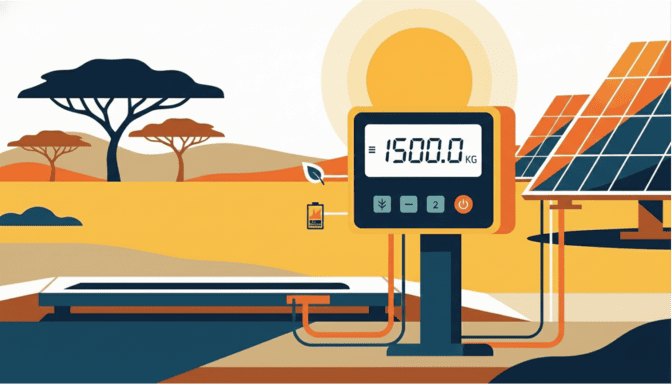
Power is like money in the bank. You can either earn more money (more solar panels), or you can spend less (efficient electronics). In remote sites, spending less is easier. I always check the technical specifications of the weighing indicator. Old models are power hungry. They stay fully active even when no truck is on the scale. Modern indicators have "sleep modes." If the scale is empty for five minutes, the screen dims or turns off. This saves a huge amount of battery life over 24 hours.
Then, we must look at the printer. Every weighbridge needs a ticket. But printers use a lot of amps. The motor inside the printer needs a strong burst of energy to start. I recommend using modern thermal printers for simple tickets. They heat the paper to make letters, which uses less energy than physically punching the paper with a dot-matrix needle. Also, we can set up the system to turn the printer on only when the printing command is sent. It stays off the rest of the time. Small changes like these make the difference between a system that lasts all night and one that fails at midnight.
Power Consumption Comparison
| Device Type | Standard Model Usage | Efficient Model Usage |
|---|---|---|
| Indicator | 10-15 Watts (Continuous) | 2-5 Watts (With Sleep Mode) |
| Printer | High Startup Surge | Low Standby Power |
| Display | Bright Backlight | Auto-Dimming LED |
| System Heat | Generates Heat (Waste) | Cool Running (Efficient) |
What Are the Solutions for Storing and Syncing Weight Data in Dead Zones?
You have the weight, but you cannot send the report to the head office. The signal is weak, and your data gets lost or written on loose paper.
In areas without reliable internet, use weighing indicators that backup data to internal memory or SD cards. You can also physically transfer data via USB drives. Alternatively, use LoRaWAN technology to send data over long distances to a central hub that has a better connection.
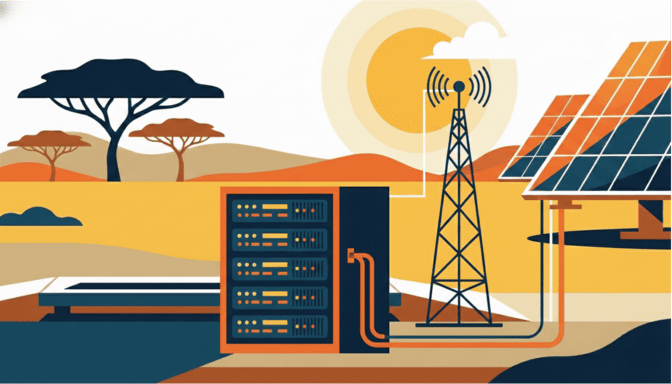
Connectivity is a major headache in remote mining or agricultural sites. I often visit sites where there is zero cellular signal. We call these "Dead Zones." If you rely on the cloud, you are in trouble. But data is as valuable as the product itself. You cannot lose it. The first solution is local storage. We use indicators that act like a black box. They save thousands of records to an internal SD card or a USB stick. At the end of the shift, the manager pulls out the USB stick and drives to the office to upload the files. It is simple and secure.
For a more advanced solution, we use LoRaWAN. This is a radio technology, somewhat like a very strong walkie-talkie signal for data. It does not need a SIM card or a phone tower. It can send small packets of weight data from the scale to a receiver up to 10 kilometers away. You might have the scale in the deep harvest field, and the receiver in the main camp where there is a satellite internet connection. The scale talks to the camp, and the camp talks to the city. This bridges the infrastructure gap without expensive cables.
Data Management Strategies
| Method | Best For | Requirement |
|---|---|---|
| SD Card / USB | Total "Dead Zones" | Manual retrieval of data. |
| LoRaWAN | Sites within 10km of admin | Transmitter and Receiver setup. |
| Satellite | High-budget projects | Expensive hardware and subscription. |
| Internal Memory | Backup security | Indicator with large memory chip. |
How to Choose Between Portable and Permanent Scale Structures for Temporary Remote Projects?
You need to start weighing today, but building a concrete foundation takes weeks. By the time you build it, the harvest season might be over.
For short-term projects like logging or harvest collection, choose portable truck scales. They sit on top of the ground and use steel ramps, requiring no concrete foundation. Permanent scales are better for long-term mines, but portable scales allow you to move the asset when the job is done.
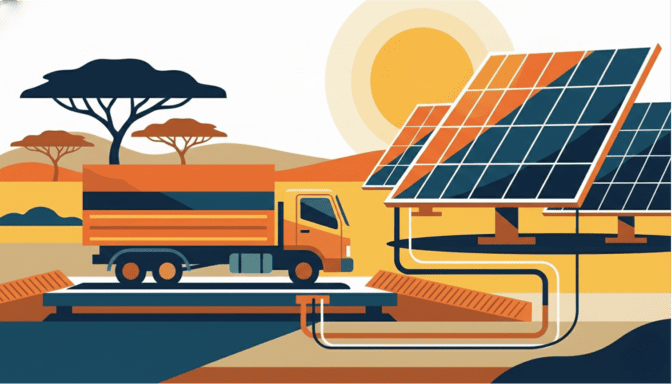
In remote Africa, pouring concrete is a nightmare. You need to transport cement, water, and mixers to the middle of nowhere. Then, you must wait 28 days for the concrete to cure and get strong. If you are running a logging site or a seasonal grain collection point, you do not have time for this. This is why I recommend portable scales. These scales are made of steel and sit directly on compacted ground. You do not dig a pit. You start weighing almost immediately.
The design includes steel ramps on both ends. The truck drives up, gets weighed, and drives down. The best part is the flexibility. When the logging area is empty, or the harvest moves to a new region, you pick up the scale. You unbolt the sections, load them onto a flatbed truck, and move to the new site. You can be operational in the new location in two days. A permanent concrete scale is a sunk cost; you cannot take it with you. For dynamic businesses, a portable scale is an asset that retains value because it moves where the money is.
Structure Comparison
| Feature | Permanent Concrete Deck | Portable Steel Deck |
|---|---|---|
| Foundation | Needs deep concrete pit/piers. | Needs flat, hard earth. |
| Setup Time | 1 month (curing time). | 1-2 days (assembly). |
| Mobility | Cannot be moved. | 100% Relocatable. |
| Best Use | Factories, Ports, Long-term Mines. | Logging, Road Construction, Harvests. |
Conclusion
Solar power, efficient gadgets, local data storage, and portable scales solve remote weighing problems. You can work anywhere without relying on the grid or expensive diesel generators.