
Your monthly inventory sheets do not match your shipments. You lose money every day, but you cannot find the leak. Weighbridge fraud might be the invisible thief stealing your bottom line.
Weighbridge fraud1 occurs when drivers or operators manipulate weight readings2 for financial gain. Common methods include improper truck positioning3, altering tare weights, and electronic tampering4. You can stop this by installing positioning sensors, automated cameras, and encrypted digital load cells to ensure every kilogram is accounted for.
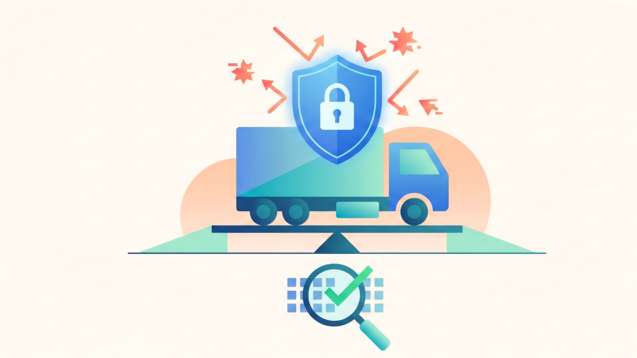
I have worked in the weighing industry for many years. I started as a technician fixing scales on the ground and now I run HENER SCALE. I have seen honest businesses lose huge amounts of money because they trusted the numbers too much. The machine was accurate, but the process was not. In this article, I will show you exactly how these frauds happen and how you can stop them.
How do drivers trick scales using improper positioning?
You pay for a full truckload of grain, but the silo is not full. The weight ticket says one thing, but your eyes see another. The driver likely tricked the scale.
The most common fraud involves drivers stopping the truck so one axle rests off the weighing platform. This reduces the total recorded weight for incoming goods or increases it for outgoing shipments. Using photo-eye sensors prevents this by blocking the weight reading until the truck is fully on the deck.

I see this problem constantly. A driver arrives at a busy factory. The operator is in the office and cannot see the wheels of the truck clearly. The driver knows this. He stops the truck carefully. He leaves the rear axle just ten centimeters off the metal deck. The wheels rest on the concrete ramp instead.
This is a behavioral trick. It is not technical. The scale works fine. But the scale can only weigh what is on top of it. If the rear axle carries 20% of the load, and it is not on the scale, the reading is 20% lower than reality. If you are buying raw materials, you just paid for air.
At HENER SCALE, we solve this with "smart eyes." We install photo-eye sensors at both ends of the weighbridge. These sensors create an invisible beam. If the truck breaks the beam, the system knows the truck is not in the right place. The computer will lock the system. It will not print a ticket. The driver must move the truck.
Here is a breakdown of the financial impact:
| Fraud Method | Action | Result for Buyer | Financial loss |
|---|---|---|---|
| Straddling | Wheels partly on the ground | Weight reading is too low | You pay for missing product |
| Bridging | Wheels on two different scales | Weight is split or lost | Inventory errors |
| Proper Positioning | All wheels on the deck | Accurate 100% weight | Zero loss |
Why does the vehicle load change mysteriously?
You trust the empty weight of the truck printed on the side of the door. But is the truck actually empty? A heavy "empty" truck means you pay for goods you never receive.
Tare weight manipulation involves making the truck heavier during the initial weigh-in and lighter during the final weigh-out. Drivers may hide extra passengers, full fuel tanks, or heavy equipment in the cab, then remove them before the second weighing to steal product.
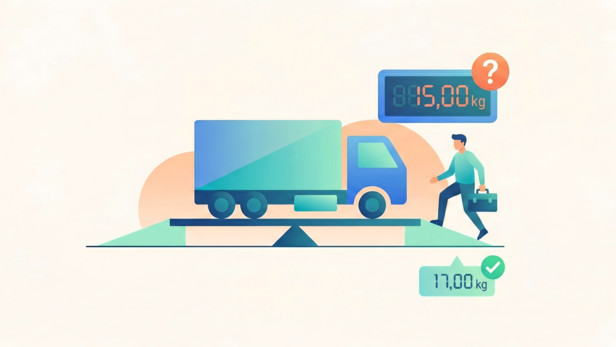
This fraud is very clever. It exploits the calculation of Net Weight. Net Weight equals Gross Weight minus Tare (empty) Weight. If the driver can make the Tare weight higher, the Net weight of your product becomes lower.
I remember a case with a scrap metal dealer. He was buying copper. The trucks came in to weigh empty first. The drivers would fill their fuel tanks to the top. They would also bring two friends in the cab. They would hide heavy chains under the seat. The scale recorded a very heavy empty truck.
Then, they went to the yard to load the copper. While loading, the friends got out. They burned off some fuel. They took the heavy chains out. When the truck went to weigh out full, the truck was naturally lighter. The difference in weight was actually copper, but the scale math hid it. The dealer gave away expensive copper for free.
To stop this, you need a strict process. You must weigh the truck in the exact same state every time.
Here are the things you must check for:
- Fuel Levels: The tank should be at the same level for both weights.
- Passengers: Only the driver should be in the cab.
- Accessories: Spare tires and toolboxes must stay on the truck.
- Position: The truck must be in the exact same spot.
We recommend using cameras that take a photo of the cab during every weigh-in. This gives you proof.
Can remote interference change your scale's signal?
Your driver positions the truck perfectly. The truck is truly empty. Yet, the weight is still wrong. Someone might be hacking your scale with a remote control from inside their pocket.
Criminals use small remote devices to interfere with the electrical signal sent from analog load cells to the indicator. This electronic tampering4 can add or subtract weight instantly. Upgrading to encrypted digital load cells blocks these signals and alerts you to any tampering attempts.

This is the most dangerous type of fraud because it is invisible. Traditional analog scales use voltage signals. The load cell sends a small electrical current to the computer. A fraudster can cut the cable and install a small "black box."
This box has a receiver. The driver carries a key fob, like a car remote. He drives onto the scale. He puts his hand in his pocket. He presses a button. The black box boosts the voltage. The scale thinks there is more weight. The operator in the window sees the numbers stabilize effectively. He prints the ticket. The fraud is complete.
I often tell my clients that steel is not enough anymore. You need digital security. At HENER SCALE, we advocate for Digital Load Cells. These cells do not send voltage. They send a digital code (binary data).
Think of it like a conversation. Analog is a shout; anyone can shout louder. Digital is a secret code. If a hacker tries to change the code, the system rejects it. The system detects the interference immediately.
Comparison of Technology:
| Feature | Analog Load Cells | Digital Load Cells |
|---|---|---|
| Signal Type | Voltage (Electrical) | Binary (Data) |
| Vulnerability | High (Easy to boost) | Very Low (Encrypted) |
| Tamper Detection | None | Instant Alerts |
| Cost | Lower initial cost | Higher value long-term |
If you own an old scale, inspect your cables today. Look for any strange boxes or spliced wires.
How do cameras and traffic barriers ensure total security?
You cannot watch the scale 24 hours a day. Humans get tired and make mistakes. You need a system that never sleeps and never lets a truck pass without checking.
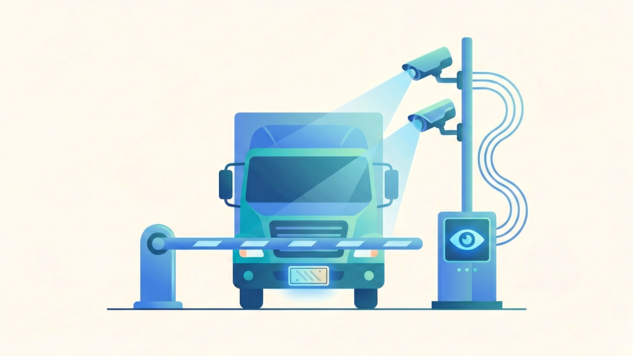
Integrating License Plate Recognition (ANPR)5 cameras and traffic barriers6 creates a "fortress" around your weighing process. The system links the truck ID to the weight, takes photos of the load, and keeps barriers down until all data is verified and correct.
The best solution is to remove the human element. Drivers can bully operators. Operators can make friends with drivers. Machines do not have friends. They only follow rules.
This brings us to the Integrated Anti-Fraud System7. This is the future of industrial weighing. It combines hardware and software. Imagine a truck arriving at your site. A barrier blocks the way. A camera reads the license plate automatically. The system checks the database. Is this truck allowed here?
The barrier opens. The truck drives onto the scale. Photo-eyes check the position. If the truck is not aligned, the red light stays on. The weight is not recorded. Once the truck is perfect, the system records the weight. It captures images of the load and the cab.
Only then does the printer work. Only then does the exit barrier open.
This creates a complete audit trail. If you see a strange transaction next month, you can go back. You have the photo. You have the time. You have the exact weight data.
Benefits of this integration:
- Speed: Automatic reading is faster than typing.
- Security: Barriers physically stop trucks from leaving without permission.
- Evidence: Photos prove the condition of the load.
- Compliance: You meet all export and local regulations easily.
Investing in these security features is often more profitable than buying a larger scale. It plugs the leaks where your profit silently escapes.
Conclusion
Weighbridge fraud1 is not about broken machines; it is about broken processes. You must protect your business with digital load cells, positioning sensors, and automated cameras to secure your revenue.
Understanding weighbridge fraud is crucial for businesses to protect their profits and ensure accurate transactions. ↩
Learn about the tactics used to manipulate weight readings and how to safeguard against them. ↩
Discover how improper positioning can lead to significant financial losses and how to prevent it. ↩
Explore the risks of electronic tampering and how to implement security measures to combat it. ↩
ANPR technology streamlines operations and enhances security in weighbridge processes. ↩
Traffic barriers are a crucial component in preventing unauthorized access and ensuring accurate weighing. ↩
An Integrated Anti-Fraud System can revolutionize your weighing process and enhance security. ↩