
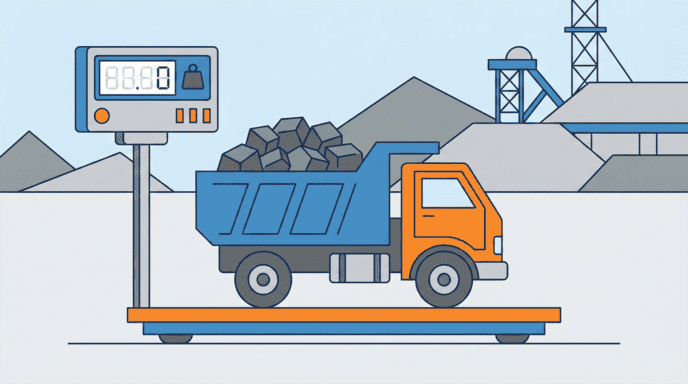
Shipping bulk goods without knowing their exact weight is a dangerous game. You lose money on every transaction, and your business faces the risk of heavy fines. Weighbridges1 are the essential tools that verify value and keep global trade moving smoothly.
Weighbridges1 act as the primary "cash register" for critical industries like mining, agriculture, and logistics. They ensure fair trade, strictly follow legal rules like SOLAS2, and maintain safety standards. By providing precise measurements of bulk materials, they prevent dangerous overloading and protect profit margins in both emerging markets and established industrial hubs.
I have seen many businesses struggle because they ignored this simple technology or bought the wrong equipment. Accurately measuring what you buy and sell is the foundation of a good business. It is time to look at why these huge scales matter so much in different parts of the world.
Why Do Mining Hubs in Australia, Africa, and South America Demand Rugged Scales?
Mining sites are tough places where equipment breaks easily. Dust, rocks, and extremely heavy loads destroy weak machinery very quickly. You need scales that can survive the harshest conditions on earth.
In resource-rich regions, the weighbridge determines national revenue. Whether it is iron ore in Australia or copper in Chile, these scales must be "Legal-for-Trade." They need heavy-duty steel or concrete decks to withstand constant abuse and extreme weather while ensuring accurate taxation.
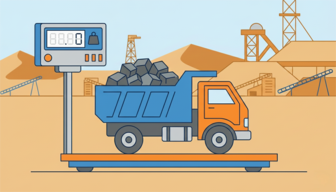
When I started my career as a technician, I spent a lot of time fixing scales in very dirty, remote locations. I learned quickly that in the mining industry3, the scale is the cash register. In countries where the economy relies on extraction, like getting bauxite in West Africa or coal in Australia, accuracy is everything. If the scale is wrong, the mining company loses profit, or the government loses tax money.
The geography of these places demands special equipment. You cannot put a standard scale in the middle of a desert or a jungle and expect it to work. The environment is too aggressive. For my clients in these regions, I always recommend rugged designs.
We often choose concrete decks over steel for these remote sites. Concrete does not rust when it rains, and it creates a massive, stable platform that absorbs the shock of heavy dump trucks. Also, remote mines need reliable load cells. If a sensor breaks in the middle of the growing season or a mining rush, it might take weeks to get a spare part. That downtime costs millions.
Here is a breakdown of what different mining regions typically require:
| Region | Primary Resource | Weighbridge Requirement |
|---|---|---|
| Australia | Iron Ore / Coal | Ultra-high capacity (100t+), extreme heat resistance. |
| West Africa | Bauxite / Gold | Simple installation, rust-proof concrete decks. |
| Chile | Copper | High precision for expensive ore, dust protection. |
Using the right scale ensures the flow of commodities continues without stopping. It turns raw earth into measurable value.
How Does the SOLAS Effect Impact Mandatory Compliance at Major Ports in Asia and Europe?
Loaded ships used to sink or break apart because of bad weight data. This is a scary thought for any logistics manager who values safety. Now, strict international rules stop this from happening.
The SOLAS2 VGM (Verified Gross Mass) regulations make weighing mandatory. Major ports in China, Singapore, and Europe require every container to be weighed before loading. This prevents maritime accidents and makes digital, data-integrated weighbridges indispensable for logistics companies to avoid penalties and delays.
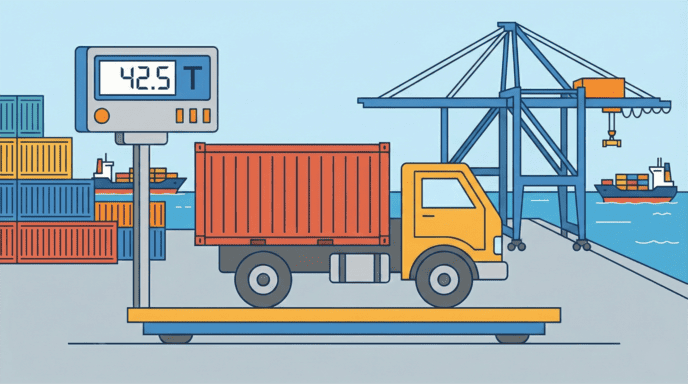
At HENER SCALE, we see a clear shift in how ports operate. It is no longer a choice to weigh your goods; it is the law. Since the International Maritime Organization (IMO) implemented the SOLAS regulations, the landscape of global logistics has changed. Before this, shippers would guess the weight. Now, if you ship from Shanghai, Rotterdam, or Los Angeles, you must prove the weight.
This creates a need for smart technology. In a mine, you need brute strength. In a port, you need speed and data. The weighbridges here must talk to the computer systems. When a truck drives onto the scale, the weight captures automatically. Then, the system sends a "Verified Gross Mass" certificate directly to the shipping line.
If this process is slow, the port gets blocked. I tell operations managers that they are not just buying a scale; they are buying a compliance tool. We integrate digital load cells that are faster to settle. This allows more trucks to pass through per hour.
There are three main reasons why this technology is critical for ports:
- Safety: It stops ships from being top-heavy and capsizing.
- Legality: It meets the international laws required to export goods.
- Efficiency: It automates the paperwork, reducing human error.
Without these systems, modern international trade would grind to a halt.
Why Is Precision Weighing Critical in the Agricultural Belts of the USA and Southeast Asia?
Harvest season is short, stressful, and chaotic. Farmers rush to sell their crops as fast as possible. Without fast weighing, lines get long and valuable crops can spoil in the heat.
In agricultural powerhouses like the USA and Vietnam, weighbridges facilitate fair transactions during intense harvest windows. They ensure farmers get paid correctly for every kilogram of grain or rice. Speed and accuracy are vital here to manage the high volume of trucks arriving from the fields.
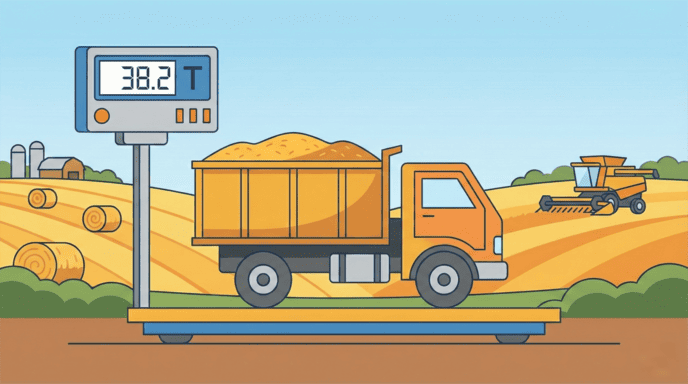
I have deep respect for the agricultural sector. It is where HENER SCALE works closely with local communities. In places like Southeast Asia, specifically Thailand and Vietnam, rice is life. The harvest happens all at once. Farmers bring their produce to the mill, and they need to be paid fairly.
If the scale is off by even a small percentage, trust is broken. A farmer who feels cheated will not come back next year. On the other side, if the buyer overpays on every truck, they lose their margin. The weighbridge sits right in the middle of this relationship. It provides the truth for both sides.
In the USA and Brazil, the scale is different. The farms are massive. We see huge trucks carrying corn and soybeans. The focus here is on volume. The scales face thousands of weighing cycles in just a few weeks. The equipment must be robust enough to handle the traffic but sensitive enough to bill the correct amount.
Key challenges we solve in agriculture include:
- Pests: Rats often chew cables in grain silos. We use armored cables to stop this.
- Debris: Grain and husks get stuck under the scale. We design pitless scales that are easy to clean.
- Speed: We use traffic lights and automated kiosks so drivers can weigh themselves to keep the line moving.
This sector proves that weighing is not just industrial; it is about people and their livelihood.
Is the Infrastructure Boom Driving the Necessity of Truck Scales in Developing Economies?
Building new cities needs massive amounts of cement and steel. But overloaded trucks destroy the new roads you just built. This is a costly cycle that developing nations must break.
Developing economies in India and the Middle East rely on weighbridges to manage construction materials. Cement plants and quarries use them to control inventory costs. More importantly, they prevent overloaded trucks from entering public highways, protecting new infrastructure and improving road safety.
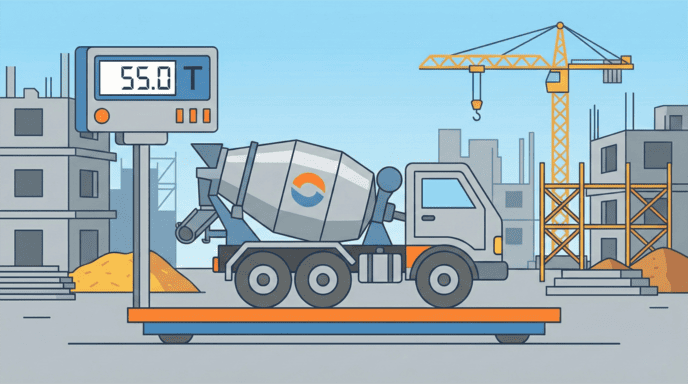
You can see the construction boom happening right now in emerging markets. If you look at India or parts of the Middle East, the demand for raw materials is huge. Cement plants and aggregate quarries are running 24 hours a day.
In this sector, the weighbridge has two jobs. First, it controls costs. Sand, rock, and cement are sold by weight. If a quarry gives away 500kg of extra rock on every truck, they lose a lot of money by the end of the year. The scale stops this "leakage" of profit.
Second, and perhaps more important, is safety and road protection. I have seen what happens when weighing is ignored. Trucks get loaded until they are ready to burst. When these overloaded trucks drive on public highways, they create deep ruts in the asphalt and cause bad accidents.
Governments are now fighting this. They are putting weigh stations on highways and fining companies that overload trucks. This forces construction companies to buy their own scales. They need to check the weight before the truck leaves the yard.
At HENER, we help these clients by installing straightforward, durable scales. They do not need complex software like a port does. They need a system that works in the dust and heat, telling the driver to "Stop" or "Go." It is a critical step in building the future infrastructure of these nations.
Conclusion
From the mines of Africa to the ports of Asia, weighbridges are essential. They ensure safety, compliance, and profit. Choosing the right scale for your specific environment is the key to long-term success.