
Extreme heat ruins basic weighing scales. You lose thousands of dollars daily due to false data. Upgraded sensors fix this problem and save your profits.
Desert heat causes thermal drift in standard load cells. The metal inside the sensor expands as temperatures rise. This expansion changes electrical resistance to create false weight readings. Smart load cells use active temperature compensation to keep your data highly accurate under extreme heat.

These invisible errors happen every single summer day. If you ignore the physics beneath your steel scale deck, you will keep losing expensive materials. We must look at how this happens.
The Physics of Thermal Drift: Why Do Standard Strain Gauges Lose Accuracy Above 40°C?
Hot metal expands slightly. This tiny bend destroys your accuracy. You lose high-value minerals every afternoon because your cheap sensors fail under the hot African sun.
Ambient temperatures above 40°C heat the dark, enclosed scale deck beyond 60°C. This intense heat causes the metal elastomer inside standard strain gauges to expand. The expansion alters electrical resistance. Your 100-ton truck scale might easily report a false 300-kilogram drop.
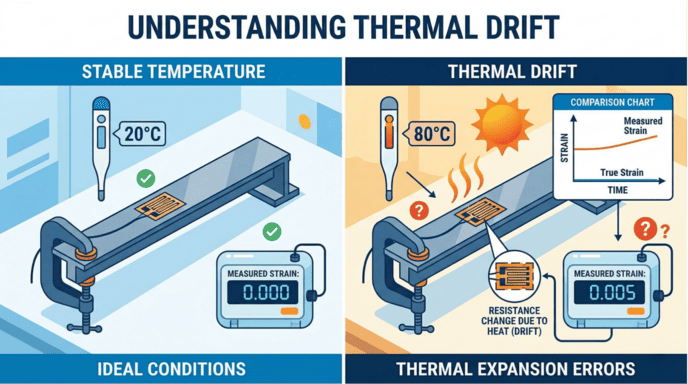
I saw this thermal drift problem firsthand two years ago. I visited a large copper mine in Mauritania. The operations director was very upset. He faced daily errors between the extraction pit and the processing plant. He showed me the data logs. Every single day at 2:00 PM, their payload numbers mysteriously dropped.
I walked out to their truck scale. I touched the steel plating. It practically burned my hand. I asked him about his load cells. I wanted to know if they were actively temperature-compensated. They were not. They used simple, cheap sensors. These sensors could not handle the thermal expansion.
How Heat Changes Weight Data
The physics problem is very simple but very costly. The load cell measures weight by reading tiny changes in electrical resistance. Heat changes the metal. This changes the resistance even without weight.
| Time of Day | Ambient Temp | Deck Temp | Scale Error (100 Tons) |
|---|---|---|---|
| 6:00 AM | 15°C | 15°C | 0 kg |
| 2:00 PM | 45°C | 65°C | -300 kg |
| 8:00 PM | 30°C | 35°C | -50 kg |
You lose thousands of dollars every afternoon. The scale says you have less copper. But the actual physical copper is still on the truck. You give it away for free.
Micro-Dust Ingress: Is It the Silent Killer of Weighbridge Electronics in Arid Environments?
Fine sand finds every single gap. Basic rubber seals dry out and crack. You suffer frequent electrical breakdowns when silicate dust invades your weighing sensors.
Fine silicate desert dust easily breaches basic IP65 seals on standard load cells. This dust enters the junction box. The dry powder causes micro-shorts in the electrical wiring. These electrical shorts corrupt the weight signals. You need stronger protection to stop this hidden damage.
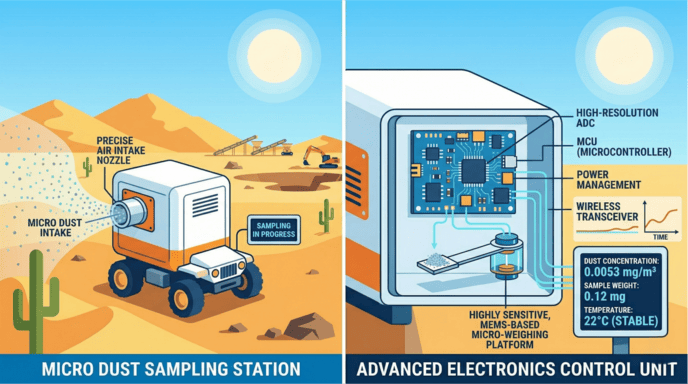
Dust is a huge problem for operations managers. I solve these issues all the time. Standard load cells usually have an IP65 protection rating. The factory uses rubber glue to seal the metal joints. This basic seal works fine in clean warehouses.
It fails completely in the desert. The 60°C heat quickly dries out the rubber glue. The glue cracks. The wind blows extremely fine silicate dust against the scale. This dust pushes through the broken glue. It covers the sensitive wires.
The Danger of Micro-Shorts
Dust seems harmless because it is dry. But desert dust carries tiny static charges and hard minerals. It causes micro-shorts. The scale terminal receives jumped and corrupted signals.
| Seal Type | Defeats Dust | Survives 60°C Heat | Lifespan in Desert |
|---|---|---|---|
| IP65 (Glue/Rubber) | No | No | 3 to 6 Months |
| IP68 (Laser Welded) | Yes | Yes | 5+ Years |
Broken electronics stop your entire supply chain. You cannot weigh trucks. You cannot ship products. The truck queue gets very long. Drivers get angry. Managers lose control of their operations. This downtime costs more money than the missing copper. You must stop the dust if you want to run a smart business.
Cracking the Code on Temperature Compensation: How Can Smart Sensors Stabilize Yield Data?
Heat always tries to ruin weight signals. Smart sensors fight back automatically. You get correct numbers because the sensor corrects itself before the data reaches your screen.
Smart sensors stabilize yield data using active temperature compensation. Engineers test these high-quality load cells at cold and hot temperatures during the factory build. The sensor learns to adjust its own electrical signals. This automatic adjustment stops thermal drift entirely to provide exact weight data.
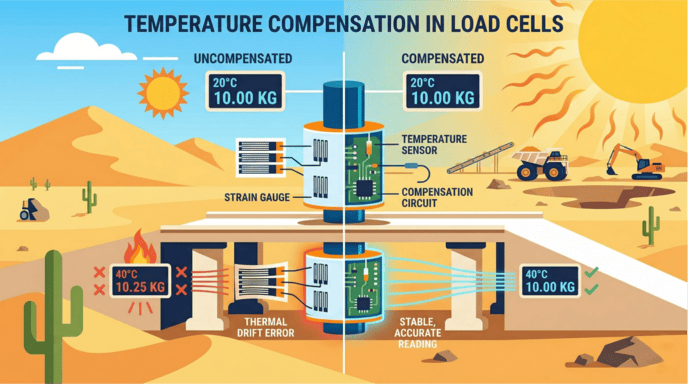
We must fix the thermal drift problem at the root. We do this through multi-point temperature compensation. I always explain this to my clients when they upgrade their scales. Standard sensors only measure load. Smart sensors measure load and internal temperature at the same time.
During manufacturing, we put the load cells inside testing chambers. We test them at zero degrees. We test them at forty degrees. We program the internal chip. The chip knows exactly how much the metal bends at every single temperature.
Active Data Correction
When the afternoon sun hits the weighbridge, the metal expands. The internal sensor feels the 60°C heat. It automatically changes the electrical math. It subtracts the heat error from the total weight.
| Temperature (°C) | Raw Error | Correction Factor | Final Terminal Reading |
|---|---|---|---|
| 10°C | 0 kg | 0 kg | 100,000 kg |
| 40°C | +150 kg | -150 kg | 100,000 kg |
| 65°C | +300 kg | -300 kg | 100,000 kg |
Your scale operator does not do any extra work. The terminal screen shows the exact same number at a cold dawn and a hot noon. This smart technology gives you total confidence in your daily yields.
Hermetic Sealing for the Sahara: Why Do HENER’s IP-Rated Load Cells Survive the Harshest Mines?
Harsh mines demand very tough sensors. Weak plastic tools fail fast. HENER builds heavy-duty load cells to survive the worst extreme heat and sand on earth.
HENER load cells use true IP67 and IP68 hermetic laser-welded sealing. This tough metal barrier blocks out all ultra-fine desert dust and locks out moisture. Our OIML-certified sensors ensure zero data drift. You get rock-solid yield data from a chilly dawn to a blistering noon.

I founded HENER SCALE to solve these exact industrial problems. I worked as a technician for many years. I replaced hundreds of broken sensors. I know what fails in the field. I designed our equipment to never face those failures.
We retrofitted the system at that Mauritania copper mine immediately. We threw away the old off-the-shelf sensors. We installed HENER's OIML-certified load cells. We use solid stainless steel. We do not use rubber glue. We use laser welding to create a permanent hermetic seal.
The Power of Laser Welding
Hermetic sealing means nothing can get inside. Air cannot enter. Sand cannot enter. Water cannot enter.
| Feature | Cheap Sensor | HENER IP68 Sensor | Result for Your Mine |
|---|---|---|---|
| Enclosure | Glued seam | Laser-welded metal | No dust ingress ever |
| Accuracy | Drops in heat | Multi-point fixed | Perfect daily yield |
| Certification | None | OIML Certified | High compliance |
The operations director saw immediate results. The 2:00 PM yield drop disappeared the very next day. The daily reconciliation reports finally matched perfectly. Accurate measurement transforms business operations. When you use the right tools, you lower costs and you speed up your workflow. You stop worrying about the hot desert sun.
Conclusion
Extreme heat and dust ruin basic scale data. You protect your profits when you upgrade to laser-welded, temperature-compensated load cells. Accurate data builds smarter and much stronger mining operations.